
Trusted by 170+ Homeowners
Why Is My Toilet Gurgling When I Shower?
- Over 170 5-Star Reviews
- Free Estimates and Quotes
- 100% Satisfaction Guaranteed
- Child, Family & Pet Safe Steps
- 24-Hour Emergency Service
- Fully Licensed & Insured

Your toilet gurgling when you shower often points to a plumbing issue. It usually means trapped air or a partial blockage in your drain system.
The gurgling sound is your pipes trying to push air out that can’t escape easily, often due to a clog or venting problem.
TL;DR:
- Gurgling toilets during showers signal air being pushed through water.
- This is typically caused by a partial clog in your main drain line or vent system.
- The clog could be hair, soap scum, or even tree roots in older pipes.
- A blocked vent pipe prevents air from escaping, causing pressure issues.
- It’s important to address this promptly to avoid water damage and health hazards.
Why is my toilet gurgling when I shower?
It can be quite startling to hear your toilet making strange noises, especially when you’re trying to relax in the shower. That gurgling sound isn’t just annoying; it’s a clear sign that something isn’t quite right with your home’s plumbing. Think of it like this: when you run water in your shower, it needs to go somewhere. Your drain system is designed to carry that water away smoothly. But if there’s a blockage or a problem with how air can escape, the water can’t flow freely. This forces air to bubble up through the nearest open point, which is often the toilet bowl. It’s a bit like trying to drink a thick milkshake through a straw that’s only half-blocked – you get a lot of slurping and gurgling sounds as air and liquid fight for space.
Understanding the Drain System
Your home’s plumbing is a complex network of pipes. Water flows down through drains, and air needs to flow in to replace it. This is where your vent system comes in. Vent pipes, usually extending through your roof, allow air to enter the system. This prevents a vacuum from forming, which would slow down drainage and cause gurgling. When this system works perfectly, water goes down, and air replaces it without a peep. But when something disrupts this balance, you get those unwelcome sounds.
The Role of Air Pressure
When you shower, a significant amount of water is entering your drain pipes all at once. This rush of water needs to be replaced by air to maintain normal pressure. If the vent system is blocked, or if there’s a partial clog in the main sewer line, the air can’t get in fast enough. The incoming water then pushes against this trapped air. This pressure forces the air back up through the pipes. The toilet trap, which normally holds water to prevent sewer gases from entering your home, becomes the path of least resistance for this escaping air. That’s what creates the gurgling sound you hear. It’s a pressure release valve you definitely don’t want.
Common Causes of Gurgling Toilets
Several things can lead to this gurgling phenomenon. The most frequent culprits are blockages and vent issues. Identifying the exact cause can sometimes be tricky, but understanding the possibilities is the first step toward a solution. Don’t ignore these sounds, as they can be early warnings of bigger problems.
Partial Clogs in the Drain Line
A common reason for gurgling is a partial clog somewhere in your drain pipes. This could be in the pipe leading from your shower, or further down in the main sewer line that your toilet also connects to. Over time, things like hair, soap scum, grease, and even small objects can accumulate. This buildup narrows the pipe, restricting water flow. When you run your shower, the water struggles to get past this obstruction. It backs up slightly, pushing air ahead of it. This air finds its way back up to the toilet, causing that telltale gurgle. If you’re noticing slow drains in other parts of your home too, it’s a strong indicator of a main line clog.
Blocked Plumbing Vents
Your plumbing system relies on vents to function correctly. These vents allow air to enter the pipes, equalizing pressure. This is essential for smooth drainage. If your vent pipe is blocked, it can’t do its job. Common blockages include leaves, bird nests, or even snow and ice in colder climates. When a vent is blocked, the water flowing down your drains creates a vacuum. To compensate, air is sucked back up through the water in your toilet trap, causing a gurgling sound. This is a critical plumbing component often overlooked. Without proper venting, you can experience slow drains, foul odors, and yes, gurgling sounds.
Issues with the Toilet Itself
Sometimes, the problem might be closer to home – within the toilet itself. The toilet’s trap and the pipe directly connected to it can become clogged. This is often due to excessive toilet paper or waste. If this specific line is partially blocked, the water from your shower, which eventually drains into the main sewer line that your toilet is also connected to, can cause pressure changes that affect the toilet. This pressure difference can force air through the toilet’s trap, resulting in gurgling. Understanding toilet water damage warnings is key, as persistent issues can lead to more significant problems.
When to Call a Professional
While some minor drain issues can be resolved with DIY methods, gurgling toilets often point to more complex problems. If you’ve tried basic drain clearing and the gurgling persists, it’s time to call a professional right away. Issues like main line blockages, especially those caused by tree roots, or significant vent pipe problems require specialized tools and expertise. Ignoring these signs can lead to more severe issues, including potential sewage backups. The toilet sewage backup risks are significant, and professional plumbers have the equipment to diagnose and fix the root cause safely and effectively.
Detecting the Problem
A plumber can use tools like drain cameras to inspect your pipes and identify the exact location and nature of a blockage. They can also check your vent system to ensure it’s clear and functioning properly. This thorough diagnosis is crucial for a lasting solution. Trying to force water through a blocked pipe can sometimes make the problem worse, leading to overflows and water damage. It’s always best to get expert advice today when dealing with persistent plumbing noises.
Potential Consequences of Ignoring Gurgling
That gurgling sound is more than just a nuisance; it’s a warning sign. If you leave it unaddressed, you could be looking at bigger, more expensive problems down the line. Water damage, unsanitary conditions, and compromised plumbing are all potential outcomes.
Water Damage and Overflow Risks
A partial clog or venting issue can escalate quickly. If the blockage becomes complete, water from your shower, sinks, or even the toilet itself could back up. This can lead to unpleasant overflows in your bathroom or even other parts of your home. Imagine water pooling on your floors – this is where finding hidden moisture near toilet becomes critical. This water can seep into subflooring, walls, and even your foundation, leading to costly structural damage and mold growth. The toilet water damage warnings are serious, and prompt action can prevent this.
Health Hazards
When your drains gurgle, it’s a sign that wastewater isn’t flowing as it should. In some cases, especially if the issue is related to the main sewer line, this could involve sewage. Sewage is a biohazard, containing bacteria and viruses that can cause serious illness. If a blockage leads to a sewage backup, especially in your basement, the basement sewage backup risks are substantial. It’s crucial to understand that sanitizing contaminated water near toilet or any affected area is a job for professionals equipped with the right protective gear and cleaning agents. You don’t want that kind of contamination in your home.
Damage to Your Plumbing System
Constant pressure fluctuations and the strain of water trying to force its way through blockages can put undue stress on your pipes. Over time, this can lead to weakened joints, leaks, or even pipe bursts. If you have older plumbing, this is an even greater concern. Ignoring gurgling can shorten the lifespan of your plumbing system and lead to more extensive repairs. Think about the floor drain sewage backup risks; these can also be indicators of a larger problem affecting your entire system.
What You Can Do (Safely)
While professional help is often necessary, there are a few things you can try before calling in the experts. Always proceed with caution and prioritize safety.
Check Other Drains
Are other drains in your house slow or gurgling? If your kitchen sink or other bathroom drains are acting up, it points to a clog further down the line, likely in your main sewer line. This information is helpful when you speak to a plumber.
Try a Plunger
Sometimes, a good old-fashioned plunger can help dislodge a minor clog. Make sure you have a flange plunger designed for toilets. Create a good seal, and give it several firm plunges. If you see improvement, great! If not, don’t keep plunging endlessly, as you might just splash water around.
Use Hot Water and Dish Soap
For minor grease or soap scum clogs, pouring a pot of hot (not boiling) water followed by a good amount of dish soap down the drain can sometimes help break things up. Let it sit for a while before flushing.
Consider a Drain Snake (Carefully)
A small drain snake or auger can be used to manually break up or retrieve clogs. However, be careful not to force it, as you could damage your pipes or push the clog deeper. This is a step where many people find sewage sewage backup risks increase if they are not careful.
Check Your Vent Pipe (Exterior Access)
If you can safely access your roof, you can check the exterior of your vent pipe for obvious obstructions like leaves or nests. Do not attempt this if it is unsafe or you are uncomfortable.
When DIY Isn’t Enough
If these steps don’t resolve the gurgling, or if you suspect a more serious issue like sewage sewage backup risks, it’s time to stop and call a professional. Pushing too hard with DIY methods can sometimes worsen the problem, especially if you’re dealing with tree roots or damaged pipes. Remember, sanitizing contaminated water near floor drain or other areas is vital if a backup has occurred.
Conclusion
Hearing your toilet gurgle when you shower is a clear indicator that your plumbing system is under stress. It’s usually a sign of a partial clog or a blocked vent pipe preventing air from circulating properly. While it might seem like a minor annoyance, ignoring these sounds can lead to much larger issues, including water damage, potential overflows, and even health hazards due to sewage backup. Understanding the causes, from simple hair clogs to more complex root intrusions, is the first step. For persistent or severe gurgling, it’s always best to consult with a qualified plumbing professional. At Redmond Water Damage Services, we understand the urgency and potential damage these issues can cause. We are a trusted resource for diagnosing and resolving plumbing-related problems that can affect your home’s integrity and your family’s well-being.
What is the most common cause of a gurgling toilet?
The most common cause is a partial clog in the main drain line or a blocked plumbing vent. These issues prevent air from moving freely through your pipes, forcing air bubbles up through the toilet trap when water is draining elsewhere.
Can a gurgling toilet cause a sewage backup?
Yes, if the clog or venting problem worsens and becomes a complete blockage, it can absolutely lead to a sewage backup. This is why it’s important not to ignore the gurgling sounds.
How can I tell if it’s a vent problem or a clog?
If gurgling happens only when you use a specific fixture (like your shower), it might be a localized clog. If it happens with multiple fixtures, or if you also notice sewer odors, it often points to a main line clog or a vent issue affecting the whole system.
Is it safe to use my shower if the toilet is gurgling?
It’s generally advisable to limit water usage until the issue is resolved. Excessive use of your shower can put more pressure on the system and potentially worsen the problem or lead to an overflow. It’s best to act before it gets worse.
Can I pour drain cleaner down the toilet to fix this?
Harsh chemical drain cleaners are often not recommended for toilets and can sometimes damage pipes or make clogs worse. If you suspect a serious blockage, it’s better to avoid chemical cleaners and call a professional right away for a safer and more effective solution.
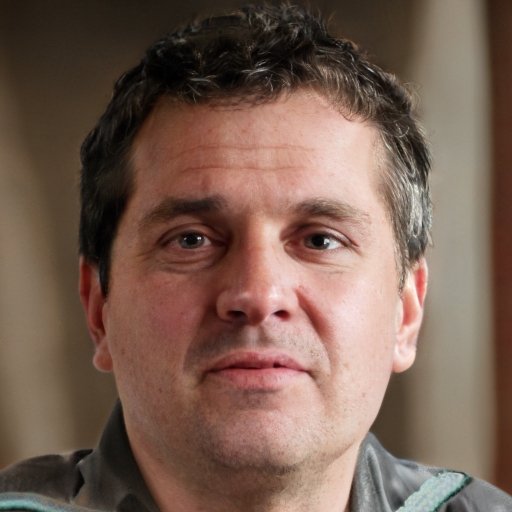
Ivan Brown is a licensed Damage Restoration Expert with over 20 years of hands-on experience in disaster recovery and structural mitigation. As a seasoned industry authority, Ivan has spent two decades mastering the technical complexities of environmental safety, providing property owners with the reliable expertise and steady leadership required to navigate high-stress property losses with absolute confidence.
𝗖𝗲𝗿𝘁𝗶𝗳𝗶𝗰𝗮𝘁𝗶𝗼𝗻𝘀: Ivan holds elite IICRC credentials, including Water Damage Restoration (WRT), Applied Structural Drying (ASD), Mold Remediation (AMRT), Fire and Smoke Restoration (FSRT), and Odor Control (OCT).
𝗙𝗮𝘃𝗼𝗿𝗶𝘁𝗲 𝗣𝗮𝘀𝘁𝗶𝗺𝗲: An avid outdoorsman, Ivan enjoys fly fishing and woodworking, hobbies that reflect the patience, precision, and dedication to craftsmanship he brings to every restoration project.
𝗕𝗲𝘀𝘁 𝗣𝗮𝗿𝘁 𝗼𝗳 𝘁𝗵𝗲 𝗷𝗼𝗯: He finds the most fulfillment in being the “calm after the storm,” helping families transition from the shock of damage to the relief of a fully restored, healthy home.