
Trusted by 170+ Homeowners
Can I Use Bleach To Clean A Sewage Spill?
- Over 170 5-Star Reviews
- Free Estimates and Quotes
- 100% Satisfaction Guaranteed
- Child, Family & Pet Safe Steps
- 24-Hour Emergency Service
- Fully Licensed & Insured

Bleach is generally not recommended as the primary cleaner for a sewage spill. While it has disinfectant properties, it doesn’t effectively remove all contaminants or organic matter from sewage.
Using bleach alone can create a false sense of security. Professional cleaning and disinfection are essential for sewage cleanup to ensure your safety and health.
TL;DR:
- Bleach is not a sufficient cleaner for sewage spills.
- Sewage contains dangerous pathogens and contaminants.
- Professional cleanup is crucial for safety and health.
- Bleach can mask odors but doesn’t fully sanitize.
- Contact professionals for proper sewage remediation.
Can I use bleach to clean a sewage spill?
While you might think bleach is the magic bullet for any mess, it’s not the best or safest solution for a sewage spill. You might be tempted to grab a bottle of bleach, thinking it will disinfect the area effectively. However, research and experience show that bleach alone has limitations when dealing with the complex mixture of contaminants found in sewage.
Why Bleach Isn’t Enough for Sewage Cleanup
Sewage is more than just dirty water. It’s a potent mix of bacteria, viruses, fungi, and other harmful microorganisms. Bleach can kill some of these on the surface, but it struggles to penetrate porous materials or break down the organic waste thoroughly. This means the underlying contamination can remain, posing a serious health risk.
The Dangers Lurking in Sewage
Sewage contains pathogens that can cause a wide range of illnesses. Exposure can lead to gastrointestinal problems, skin infections, and respiratory issues. It’s crucial to understand the sewage water damage warnings associated with untreated spills.
You might wonder, is it safe to touch sewage with bare hands? The short answer is a resounding no. Even brief contact can transfer harmful bacteria and viruses to your skin. Always wear protective gear if you must be near a sewage spill.
Hidden Dangers: What You Can’t See
One of the most significant problems with sewage spills is the hidden moisture and contamination. Water can seep into walls, floors, and subflooring, creating a breeding ground for mold and bacteria. This is how a sewage leak under my house cause illness, even if the visible spill seems minor.
The Limitations of Bleach
Bleach is primarily an oxidizing agent. It works by breaking down certain organic compounds and killing microbes. However, sewage contains a vast array of substances that bleach doesn’t effectively neutralize. It can also react with certain chemicals in the sewage, potentially creating even more toxic fumes.
Furthermore, bleach can damage certain materials, like some fabrics and finishes, without fully cleaning them. This is especially true for porous items like carpets. Many people ask, can I save carpet that had sewage on it? Often, the answer is no, especially if it’s been contaminated with sewage. Porous materials are incredibly difficult to decontaminate fully.
Masking the Problem, Not Solving It
One of bleach’s most noticeable effects is its ability to neutralize odors. This can give you a false sense of security, making you believe the area is clean when it’s not. The smell might be gone, but the dangerous microorganisms could still be present, posing a threat.
Health Risks Associated with Sewage Spills
Beyond immediate illness from contact, there are other risks. Breathing in sewage fumes can be hazardous. Many experts warn about is it dangerous to breathe in sewage fumes? Yes, these fumes can contain harmful gases like methane and hydrogen sulfide, which can cause respiratory irritation, headaches, and even more severe health problems with prolonged exposure.
| Common Sewage Contaminants | Risks |
|---|---|
| Bacteria (E. coli, Salmonella) | Gastrointestinal illnesses, infections |
| Viruses (Hepatitis A, Norovirus) | Liver disease, vomiting, diarrhea |
| Parasites (Giardia, Cryptosporidium) | Severe stomach upset, dehydration |
| Fungi and Molds | Allergic reactions, respiratory problems |
| Chemicals and Toxins | Various health effects depending on the chemicals |
What Professionals Do Differently
When dealing with sewage spills, professional restoration companies have specialized equipment and training. They understand the different categories of water damage and the specific protocols required for each. They use industrial-grade cleaning agents and disinfectants designed to break down sewage contaminants effectively.
Professionals also focus on proper containment and removal of contaminated materials. They employ advanced drying techniques to prevent secondary damage like mold growth. This is how how do they disinfect after a sewage spill, ensuring a truly safe environment.
The Importance of Professional Remediation
Trying to clean up a sewage spill yourself can be dangerous and may not fully resolve the issue. You risk exposing yourself and your family to serious health risks. It’s important to act before it gets worse and consider the long-term implications of inadequate cleanup.
When to Call for Help
If you discover a sewage spill in your home, the best course of action is to call a professional right away. They have the expertise and tools to handle the situation safely and effectively. Don’t delay getting help.
Here’s a quick checklist for what to do if you encounter a sewage spill:
- Evacuate the area immediately.
- Avoid touching contaminated surfaces with bare hands.
- Ventilate the area if safe to do so, but avoid spreading contaminants.
- Do not use household cleaning products like bleach as your primary solution.
- Contact a professional water and sewage damage restoration service.
- Document the damage for insurance purposes.
Conclusion
While bleach has its uses in household cleaning, it falls short when it comes to the complex and hazardous nature of sewage spills. It cannot fully remove the dangerous pathogens and organic matter present, potentially leaving your home at risk for further contamination and health issues. For effective and safe sewage remediation, it’s essential to rely on the expertise and specialized equipment of professionals. If you’re facing a sewage spill, don’t wait to get help. Getting expert advice today can prevent long-term problems. Redmond Water Damage Services is a trusted resource for handling these challenging situations, ensuring your home is restored safely and thoroughly.
Is bleach safe to use on all surfaces after a sewage spill?
No, bleach is not safe for all surfaces. It can discolor or damage certain materials. More importantly, it doesn’t effectively remove all the harmful contaminants from porous surfaces, making it an inadequate choice for sewage cleanup.
Can I just bleach the smell away?
Bleach can temporarily mask sewage odors by killing some odor-causing bacteria. However, it doesn’t eliminate the source of the smell or the underlying contamination. The odor may return, and the hazardous materials can remain.
What are the risks of DIY sewage cleanup?
DIY sewage cleanup carries significant health risks. You can be exposed to dangerous pathogens that cause severe illnesses. Improper cleaning can also lead to mold growth and structural damage if moisture isn’t fully removed.
How quickly should sewage spills be addressed?
Sewage spills should be addressed immediately. The longer they sit, the more bacteria and mold can spread. Prompt action is crucial to minimize health risks and prevent further damage to your property.
What is the most effective way to disinfect after a sewage spill?
The most effective way to disinfect after a sewage spill involves using specialized antimicrobial solutions applied by trained professionals. They have the knowledge and equipment to ensure all harmful contaminants are neutralized and removed, providing a safe environment.
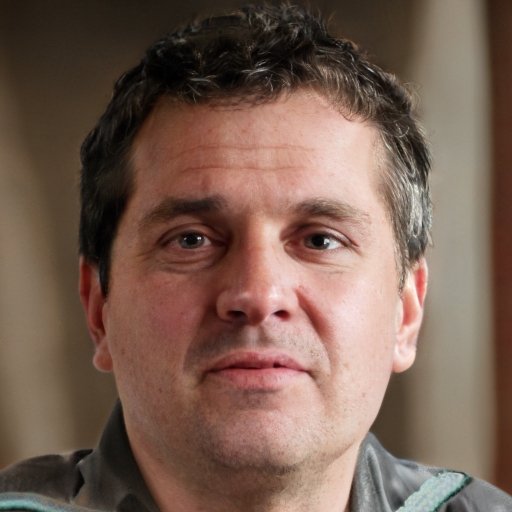
Ivan Brown is a licensed Damage Restoration Expert with over 20 years of hands-on experience in disaster recovery and structural mitigation. As a seasoned industry authority, Ivan has spent two decades mastering the technical complexities of environmental safety, providing property owners with the reliable expertise and steady leadership required to navigate high-stress property losses with absolute confidence.
𝗖𝗲𝗿𝘁𝗶𝗳𝗶𝗰𝗮𝘁𝗶𝗼𝗻𝘀: Ivan holds elite IICRC credentials, including Water Damage Restoration (WRT), Applied Structural Drying (ASD), Mold Remediation (AMRT), Fire and Smoke Restoration (FSRT), and Odor Control (OCT).
𝗙𝗮𝘃𝗼𝗿𝗶𝘁𝗲 𝗣𝗮𝘀𝘁𝗶𝗺𝗲: An avid outdoorsman, Ivan enjoys fly fishing and woodworking, hobbies that reflect the patience, precision, and dedication to craftsmanship he brings to every restoration project.
𝗕𝗲𝘀𝘁 𝗣𝗮𝗿𝘁 𝗼𝗳 𝘁𝗵𝗲 𝗷𝗼𝗯: He finds the most fulfillment in being the “calm after the storm,” helping families transition from the shock of damage to the relief of a fully restored, healthy home.