Clyde Hill, WA · King County
Temperature-Controlled Drying in Clyde Hill, WAClimate-Controlled Drying Systems & Rapid Structural Drying Services
Temperature-Controlled Drying in Clyde Hill by local moisture control experts includes thermal drying for water damage, climate-controlled drying systems, and rapid structural drying services.
Answered 24/7
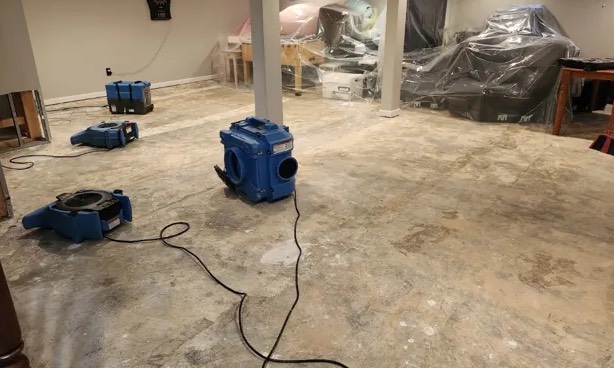
Local Temperature-Controlled Drying Solutions for Clyde Hill Homes
In Clyde Hill, water trapped in subfloors, wall cavities or behind cabinets dries slowly because the air there does not move.
In Clyde Hill and nearby Medina, Yarrow Point and Bellevue, fast structural drying stops mold before it starts. Local pros map moisture, then use LGR dehumidifiers and planned air mover placement until readings are normal.
Advanced Temperature-Controlled Drying Techniques in Clyde Hill
Climate-Controlled Drying Systems
The experts set up systems that control temperature, humidity and airflow together, adjusting them as moisture readings change.
Rapid Structural Drying Services
The experts aim air movers at wet studs, joists and subfloors to dry the structure safely.
Water Damage Drying Logs
The experts in Clyde Hill maintain drying logs as an official record. This data tracks moisture reduction over time and informs any needed adjustments to the drying strategy.
Moisture Mapping
The experts take moisture readings at many points and depths to map every wet area and set drying goals, so nothing is missed.
Thermal Drying for Water Damage
Controlled heat speeds up drying of wet materials in Clyde Hill, which helps prevent swelling wood and failed flooring adhesive.
When to Call for Temperature-Controlled Drying in Clyde Hill, WA
Paint Peeling or Bubbling Up
Paint loses adhesion and forms bubbles or peels away from the wall. This failure is caused by moisture trapped beneath the paint film.
Cracking of Plaster or Joints
Plaster or drywall joint tape develops new cracks or fissures. These cracks occur as wet materials swell and then contract during drying.
Damp Odors Persisting After Water
A musty smell lingers even after visible water is gone, indicating hidden moisture. That odor often signals mold or trapped dampness.
Equipment Running With No Result
Fans or dehumidifiers that run for days without drying the area mean the moisture is deeper than household equipment can reach.
How Temperature-Controlled Drying Works in Clyde Hill
Step 1: Site Evaluation and Equipment Planning
The pros evaluate the site to determine the type and quantity of drying tools needed.
Step 2: Drying Equipment Setup
Industrial air movers and dehumidifiers are set up in the affected zones right away.
Step 3: Controlled Humidity Management
Dehumidifiers pull moist air out of the room, which keeps the air dry enough for materials to keep drying.
Step 4: Progress Tracking With Drying Logs
Temperature, humidity and moisture readings are recorded each day in a drying log.
Sources of Water Intrusion Needing Moisture Removal in Clyde Hill
Roof Leak During Heavy Rain
Wind-driven rain through a damaged roof or flashing can run down inside wall cavities, where it needs targeted drying.
Storm-Driven Water Intrusion
Heavy rain overflows gutters or gets in around windows and soaks framing and insulation.
Inadequate Initial Water Extraction
Water left behind after a leak or flood moves into subfloors and walls, where it is harder to dry.
Foundation Cracks and Seepage
Hydrostatic pressure forces groundwater through cracks in the foundation wall. This seepage creates a constant dampness that challenges standard drying technology.
Temperature-Controlled Drying for All Property Types in Clyde Hill
Residential Temperature-Controlled Drying
In condos and apartments, containment barriers and negative air machines keep moisture from moving into neighboring units while drying runs.
Commercial Temperature-Controlled Drying
Restaurants and food service businesses need rapid, sanitary drying to comply with health regulations after a water event. The pros use specialized equipment and antimicrobial treatments during the drying process.
Professional Temperature-Controlled Drying vs. Do-It-Yourself in Clyde Hill
Photograph all affected areas and items for insurance and move undamaged belongings to a dry room. Drying the structure takes industrial equipment that DIY gear cannot replace.
Cost Considerations for Temperature-Controlled Drying in Clyde Hill
In Clyde Hill, cost depends on how complex the moisture mapping is and how much equipment the area needs.
Humidity Control Measures
Controlling humidity in tight spaces often takes specialized drying equipment and frequent adjustments.
Equipment Needs
The number and type of air movers, dehumidifiers and heaters used affect the cost.
Access and Logistics
Challenging site access in Clyde Hill can complicate equipment deployment and placement, potentially increasing setup time and labor requirements.
Does Insurance Cover Temperature-Controlled Drying?
Whether insurance pays for thermal drying for water damage depends on your policy's specific language and the cause of loss. The pros meticulously record moisture levels and drying progress to create a verifiable log for your adjuster.
Benefits of Local Moisture Control Experts for Temperature-Controlled Drying in Clyde Hill
Structural Drying
The focus is on quickly extracting moisture from structural components to minimize warping, swelling, or the potential for mold growth.
Humidity Control for Restoration
Keeping the air dry draws moisture out of materials until the space is stable.
Ongoing Moisture Monitoring
Regular checks with moisture meters verify that drying goals are met, helping ensure no residual dampness remains within walls or floors.
Round-the-Clock Emergency Temperature-Controlled Drying in Clyde Hill
Fast drying limits damage to walls and floors. Call (425) 407-5186 anytime, day or night, to get drying equipment set up in Clyde Hill.
Call Now (425) 407-5186Temperature-Controlled Drying Available Throughout King County
Local pros dry structures and control humidity in Clyde Hill and communities such as Medina, Yarrow Point and Bellevue.
- Temperature-Controlled Drying in Medina
- Temperature-Controlled Drying in Yarrow Point
- Temperature-Controlled Drying in Bellevue
- Temperature-Controlled Drying in Kirkland
- Temperature-Controlled Drying in Mercer Island
- Temperature-Controlled Drying in Newcastle
- Temperature-Controlled Drying in Redmond
- Temperature-Controlled Drying in Sammamish
Common Temperature-Controlled Drying Questions Answered
What materials benefit most from controlled drying systems?
Porous structural materials like drywall, wood framing, and concrete, as well as contents like documents and furniture, benefit greatly from controlled, gradual drying to prevent ruin.
How does thermal drying for water damage work?
Thermal drying applies carefully managed heat to increase the evaporation rate of moisture trapped within materials, accelerating the drying process while monitored to prevent damage.
What is the difference between air movers and dehumidifiers?
Air movers evaporate moisture from surfaces into the air, and dehumidifiers pull it back out of the air.
What does drying equipment deployment involve?
Pros assess the loss, calculate how much equipment is needed and place air movers, dehumidifiers and sometimes heaters.
When is climate-controlled drying necessary versus regular drying?
Climate-controlled drying is necessary for severe losses, sensitive materials, or when precise environmental control is needed to prevent damage, unlike simple air drying for minor spills.