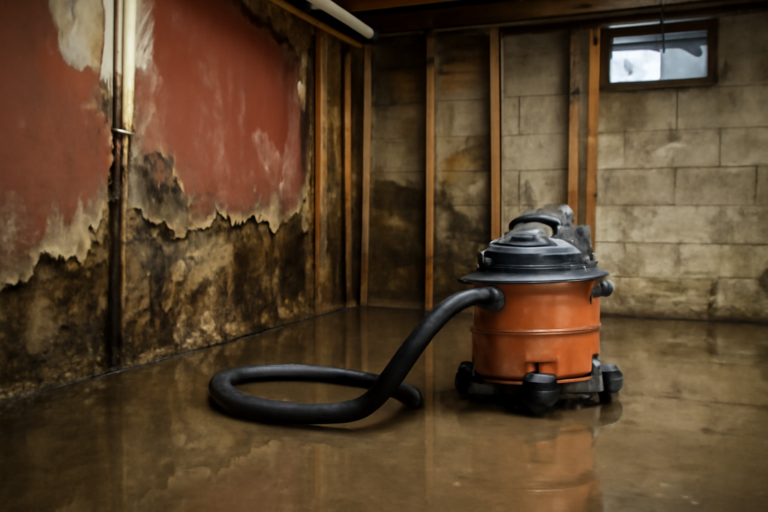
Subfloor Water Extraction in Newcastle, WA
Trusted by 170+ Homeowners
Water Damage on Your Subfloor: Don’t Let It Spread
Imagine walking into your home, and the smell of musty water hits you like a punch. You notice water seeping from beneath your flooring, and it’s clear that your subfloor has been compromised. You know you need to act fast to prevent further damage. That’s where our team comes in, we’re the experts in Subfloor Water Extraction in Newcastle, WA. Our technicians are IICRC-certified and equipped with the latest technology to tackle even the toughest jobs.
With over 165+ five-star reviews from satisfied customers in the area, you can trust that we’ll get the job done right. Our team is locally owned and operated, so we understand the unique challenges of water damage in this region. We’ll work with you to create a personalized plan to restore your home to its former glory.
- We’ll extract the water quickly and efficiently, using specialized equipment to reduce damage.
- Our technicians will assess the damage and create a customized drying plan to ensure your subfloor is completely dry.
- We use advanced moisture-reading technology to monitor the drying process and make any necessary adjustments.
The Science Behind Subfloor Water Extraction
When water seeps into your subfloor, it can cause irreparable damage if left unchecked. Our team uses a specialized process to extract the water and dry the area, reducing the risk of further damage. We’ll work with you to create a customized plan that takes into account the size of the affected area, the type of flooring, and the local climate. Our goal is to get your home back to normal as quickly and safely as possible.
Step 1: Water Extraction
Our technicians will use a combination of specialized equipment, including truck-mounted extractors and portable pumps, to remove as much water as possible from the affected area. This step is crucial in preventing further damage and reducing the risk of mold growth. We’ll work quickly to extract the water, reducing downtime and disruption to your daily life.
Step 2: Drying and Dehumidification
Once the water has been extracted, our team will use advanced drying equipment to evaporate the remaining moisture. We’ll also use dehumidifiers to remove excess moisture from the air, creating a dry environment that’s conducive to drying. This step is critical in preventing mold growth and ensuring your subfloor is completely dry.
Step 3: Moisture Reading and Monitoring
We’ll use advanced moisture-reading technology to monitor the drying process and make any necessary adjustments. This ensures that your subfloor is completely dry and free from moisture, preventing further damage and reducing the risk of mold growth. We’ll work closely with you to ensure the drying process is completed to your satisfaction.
Step 4: Final Inspection and Cleanup
Once the drying process is complete, our team will conduct a final inspection to ensure your subfloor is completely dry and free from moisture. We’ll also clean up any debris or materials that were damaged during the process. We’ll work with you to ensure your home is restored to its former glory.
Don’t wait any longer to address the water damage on your subfloor. Contact us today to schedule a free estimate and let our team get to work on restoring your home.

Warning Signs You Need Subfloor Water Extraction
Catching the signs of water damage early on can save you thousands of dollars in repairs and prevent further damage to your home. Here are some common warning signs to look out for:
Musty Odors That Won’t Go Away
When water seeps into your subfloor, it can cause musty odors that linger long after the water has been removed. If you notice a persistent smell that won’t go away, it’s likely a sign of water damage. Don’t ignore the smell, it’s a sign of a bigger problem.
Warped or Buckled Flooring
When water seeps into your subfloor, it can cause the flooring above it to warp or buckle. If you notice your flooring is uneven or warped, it’s likely a sign of water damage. Don’t wait, address the issue before it’s too late.
Water Stains or Discoloration
Water damage can cause unsightly stains or discoloration on your walls, ceilings, or flooring. If you notice any of these signs, it’s likely a sign of water damage. Don’t ignore the stains, they’re a sign of a bigger problem.
Peeling Paint or Wallpaper
When water seeps into your walls or ceilings, it can cause peeling paint or wallpaper. If you notice any of these signs, it’s likely a sign of water damage. Don’t wait, address the issue before it’s too late.
Cracked or Broken Tiles
Water damage can cause cracked or broken tiles, particularly in areas like bathrooms or kitchens. If you notice any of these signs, it’s likely a sign of water damage. Don’t ignore the damage, it’s a sign of a bigger problem.
Water Damage on Your Ceiling
When water seeps into your ceiling, it can cause unsightly stains or discoloration. If you notice any of these signs, it’s likely a sign of water damage. Don’t wait, address the issue before it’s too late.
Subfloor Water Extraction vs. DIY: When To Call a Professional
| Situation | DIY? | Call a Pro? | Why |
|---|---|---|---|
| Small water leak (less than 1 gallon) | Yes | No | You can likely handle a small leak with a wet vacuum and some towels. |
| Water damage on a small area (less than 10 sq. Ft.) | Yes | No | You can likely handle a small area of water damage with some drying equipment and a dehumidifier. |
| Water damage on a large area (more than 10 sq. Ft.) | No | Yes | Large areas of water damage need specialized equipment and expertise to dry and restore. |
| Water damage on a subfloor | No | Yes | Subfloor water damage needs specialized equipment and expertise to dry and restore. |
| Water damage with mold growth | No | Yes | Mold growth needs specialized equipment and expertise to remove and prevent further growth. |
| Water damage with structural damage | No | Yes | Structural damage needs specialized equipment and expertise to repair and restore. |
Don’t risk further damage or safety hazards by trying to tackle water damage on your subfloor yourself. Contact us today to schedule a free estimate and let our team get to work on restoring your home.
Subfloor Water Extraction Cost In Newcastle, WA
The cost of Subfloor Water Extraction in Newcastle, WA can vary depending on the severity of the damage, the size of the affected area, and local conditions. Our estimates are free and based on an on-site assessment. Here are some estimated price ranges for common services:
| Service | Typical Price Range | What Affects Cost |
|---|---|---|
| Water Extraction | $500 – $2,500 | Size of affected area, type of flooring, and local conditions. |
| Drying and Dehumidification | $1,000 – $5,000 | Size of affected area, type of flooring, and local conditions. |
| Moisture Reading and Monitoring | $200 – $1,000 | Size of affected area and type of flooring. |
| Final Inspection and Cleanup | $500 – $2,000 | Size of affected area and type of flooring. |
| Subfloor Repair | $2,000 – $10,000 | Size of affected area, type of flooring, and local conditions. |
| Mold Remediation | $1,000 – $5,000 | Size of affected area and type of mold. |
Exact pricing depends on an on-site assessment, and free estimates are available. Contact us today to schedule a consultation and get a more accurate estimate for your specific needs.
Service Areas Near Newcastle, WA
We serve the following areas near Newcastle, WA: Bellevue, Kirkland, Issaquah, Sammamish, Redmond, Woodinville, Snoqualmie, Carnation, Fall City, North Bend, and more.
Common Questions About Subfloor Water Extraction
Q: How long does it take to extract water from a subfloor?
A: The time it takes to extract water from a subfloor depends on the size of the affected area and the type of equipment used. Our team will work quickly to extract as much water as possible, reducing downtime and disruption to your daily life. We’ll work closely with you to ensure the drying process is completed to your satisfaction.
Q: Can I use a wet vacuum to extract water from my subfloor?
A: While a wet vacuum can be useful for small areas of water damage, it’s not enough to handle larger areas or more severe damage. Our team uses specialized equipment to extract water quickly and efficiently, reducing the risk of further damage. Don’t risk further damage or safety hazards by trying to tackle water damage on your subfloor yourself.
Q: How long does it take to dry a subfloor?
A: The time it takes to dry a subfloor depends on the size of the affected area, the type of flooring, and local conditions. Our team will work closely with you to ensure the drying process is completed to your satisfaction. We’ll use advanced moisture-reading technology to monitor the drying process and make any necessary adjustments.
Q: Can I use a dehumidifier to dry my subfloor?
A: While a dehumidifier can be useful for small areas of water damage, it’s not enough to handle larger areas or more severe damage. Our team uses specialized equipment to dry the area quickly and efficiently, reducing the risk of further damage. Don’t risk further damage or safety hazards by trying to tackle water damage on your subfloor yourself.
Check Our Other Relevant Services
Serving Newcastle, WA And Nearby Areas