Sewer Backup Water Removal in Lacey, WA
Trusted by 170+ Homeowners
Sewer Backup Water Removal in Lacey, WA: Don’t Let the Damage Spread
Did you know that sewer backup water removal claims account for over 30% of all insurance claims in the Lacey, WA area? It’s a staggering statistic, and a clear indication that homeowners in this region are more likely to experience sewer backup issues than any other type of water damage. And when it happens to you, every minute counts. That’s why you need a team that can respond quickly and effectively to these emergencies. Our team of specialists is IICRC certified and has years of experience in handling sewer backup water removal with precision and care.
With over 165 five-star reviews, you can trust that our team is the go-to choice for homeowners in your neighborhood. We’ve helped countless families in Lacey, WA and the surrounding areas, and we’re confident that we can do the same for you. Our team is dedicated to providing top-notch service and ensuring that you get back to normal as quickly as possible. We’ll work tirelessly to restore your property to its original state.
- We’ll arrive within 60 minutes of your call to assess the damage and create a personalized plan of action.
- We use state-of-the-art equipment to remove standing water and dry out your property, reducing the risk of mold and structural damage.
- We work closely with your insurance provider to ensure that you receive the maximum coverage for your losses.
How Our Sewer Backup Water Removal Process Works
A proper sewer backup water removal process needs a team that knows what they’re doing. That’s why our team follows a meticulous, step-by-step approach to ensure that every inch of your property is thoroughly cleaned and dried. We’ll start by assessing the damage, and then we’ll get to work on: removing standing water, drying out your property, and treating for mold and mildew.
Step 1: Assessment and Planning
We’ll arrive at your property and conduct a thorough assessment of the damage. This will help us create a personalized plan of action and ensure that we’re equipped with the right equipment to handle the job. Our team will work closely with you to understand your specific needs and concerns.
Step 2: Water Removal and Drying
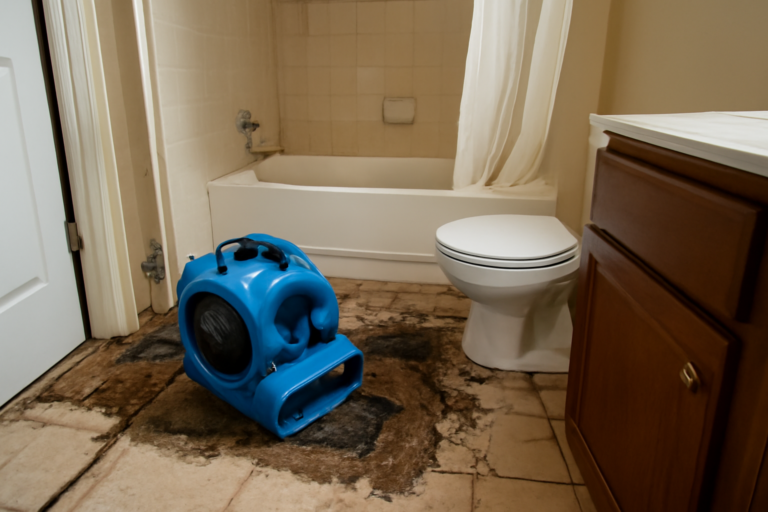
Next, we’ll use our advanced equipment to remove standing water from your property. This includes powerful pumps and industrial-strength wet vacuums that can handle even the toughest water removal jobs. We’ll also use specialized drying equipment to ensure that your property is thoroughly dried and free from moisture.
Step 3: Mold and Mildew Treatment
After the water has been removed and your property has been dried, we’ll treat for mold and mildew. This is a crucial step in preventing the growth of these microorganisms, which can cause serious health problems and damage to your property. Our team will use specialized equipment and techniques to remove any mold and mildew, leaving your property safe and healthy.
Step 4: Final Inspection and Cleanup
Once the treatment process is complete, we’ll conduct a final inspection to ensure that your property is safe and secure. We’ll also clean and disinfect any areas that were affected by the sewer backup, leaving your property smelling fresh and clean. We’ll leave your property in better shape than before the disaster.
Don’t let sewer backup water damage spread and cause further problems. Our team is ready to respond 24/7 to help you get back to normal as quickly as possible. Contact us today to schedule your emergency service.

Warning Signs You Need Sewer Backup Water Removal
Ignoring these warning signs can lead to bigger problems, including mold growth, structural damage, and even health risks. That’s why it’s essential to recognize the warning signs and take action quickly. Here are a few common warning signs that you need sewer backup water removal:
Musty Odors That Won’t Go Away
Unpleasant, musty odors can be a sign of sewer backup water in your property. These odors can be caused by mold, mildew, or other microorganisms that thrive in damp environments. Don’t ignore these odors, they could be a sign of a bigger problem.
Water Stains and Warping
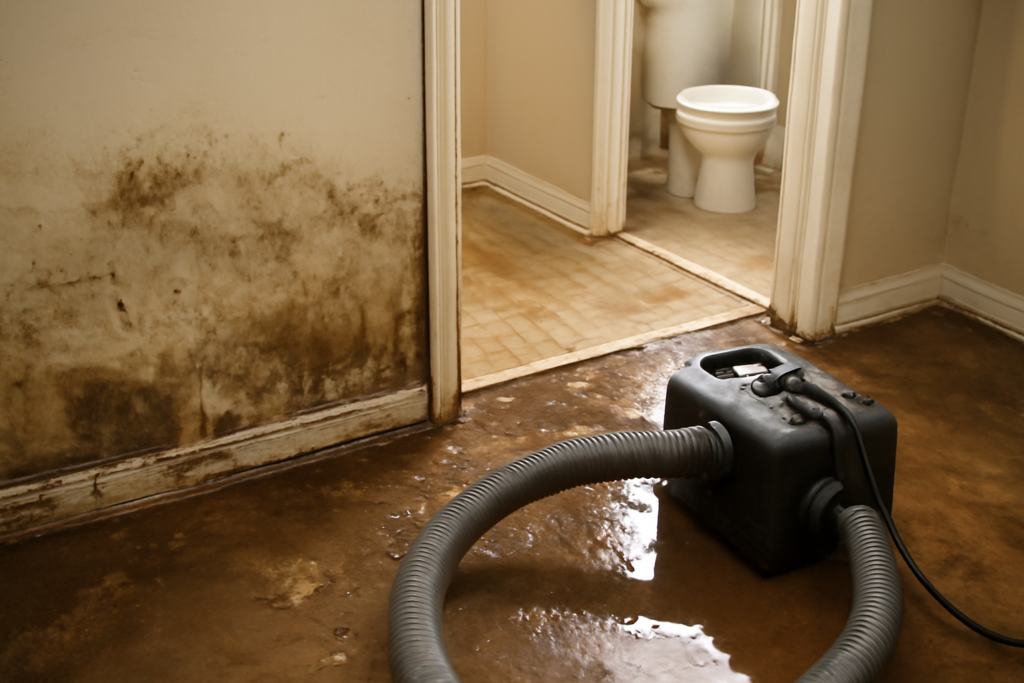
Visible water stains or warping on your property’s surfaces can show that you have a sewer backup issue. This can be caused by water seeping from the pipes or by condensation on your property’s surfaces. Address these issues quickly to prevent further damage.
Backed-Up Toilets and Drains
Backed-up toilets and drains are a clear sign that you have a sewer backup issue. This can be caused by clogs, blockages, or other problems with your property’s plumbing system. Don’t try to fix the problem yourself, call a professional.
Unusual Noises and Puddles
Unusual noises, such as gurgling or bubbling sounds, can show that you have a sewer backup issue. Also, if you notice puddles or water accumulation in your property, it’s essential to address the issue quickly. These warning signs can show a bigger problem on the horizon.
Sewer Backup Water Removal vs. DIY: When to Call a Pro
| Situation | DIY? | Call a Pro? | Why |
|---|---|---|---|
| You have a small, contained water spill (less than 100 sq. Ft.) | Yes | No | DIY water removal techniques can handle small spills with ease |
| You have a large water spill (over 100 sq. Ft.) | No | Yes | Large water spills need specialized equipment and expertise to handle safely and effectively |
| You notice musty odors or water stains on your property’s surfaces | No | Yes | Ignoring these warning signs can lead to mold growth, structural damage, and health risks |
| You have a backed-up toilet or drain | No | Yes | Backed-up toilets and drains can show a larger sewer backup issue that needs professional attention |
| You’re unsure about how to handle a sewer backup issue | No | Yes | Ignoring the problem or trying to fix it yourself can lead to bigger problems down the line |
Don’t take any chances with your property’s safety and integrity. If you’re unsure about how to handle a sewer backup issue, or if you’ve noticed any of the warning signs mentioned above, it’s essential to call a professional. Our team is ready to respond 24/7 to help you get back to normal as quickly as possible.
Sewer Backup Water Removal Cost in Lacey, WA
The cost of sewer backup water removal in Lacey, WA can vary depending on the severity of the damage, the size of the affected area, and other local conditions. But, here are some estimated costs for common sewer backup scenarios:
| Service | Typical Price Range | What Affects Cost |
|---|---|---|
| Water Removal and Drying | $500 – $2,500 | Size of affected area, water depth, and equipment needed |
| Mold and Mildew Treatment | $300 – $1,500 | Severity of mold and mildew growth, size of affected area |
| Final Inspection and Cleanup | $100 – $500 | Size of affected area, level of damage |
| Emergency Service Fee | $100 – $500 | Time of day, day of week, and level of urgency |
| More Services (e.g., structural repair, reconstruction) | Variable | Severity of damage, size of affected area, and scope of work |
Keep in mind that these are estimated costs and may vary depending on the specifics of your situation. The best way to get an accurate estimate is to schedule an on-site assessment with our team. We offer free estimates and are happy to work with you to find out the best course of action for your property.
Service Areas Near Lacey, WA
We serve the following nearby communities: Tumwater, Olympia, DuPont, Lakewood, Steilacoom, University Place, Fircrest, Ruston, Anderson Island, Fox Island, Key Peninsula, Gig Harbor, Vaughn, Purdy, Artondale, Kapowsin, Morton, Onalaska, Elbe, Bucoda, Rainier, Tenino, Grand Mound, Napavine, Rochester, Pe Ell, Cosmopolis, Westport, Aberdeen, Hoquiam, Ocean Shores, Grays Harbor County, Thurston County, Lewis County.
Common Questions About Sewer Backup Water Removal
How long does sewer backup water removal take?
The length of time it takes to complete sewer backup water removal varies depending on the severity of the damage, the size of the affected area, and the level of equipment needed. But, in most cases, we can complete the job within 3-5 days.
Will my insurance cover sewer backup water removal?
Yes, most insurance policies cover sewer backup water removal. But, the specifics of your policy will depend on the type of coverage you have and the terms of your policy. We recommend checking your policy or contacting your insurance provider to confirm.
How do I prevent sewer backup water damage?
Preventing sewer backup water damage needs regular maintenance and upkeep of your property’s plumbing system. This includes checking for clogs, blockages, and other issues, as well as scheduling regular inspections with a professional plumber.
Can I try to fix a sewer backup issue myself?
No, it’s not recommended to try to fix a sewer backup issue yourself. Sewer backup water removal needs specialized equipment and expertise to handle safely and effectively. Trying to fix the problem yourself can lead to bigger problems down the line, including mold growth, structural damage, and health risks.
Check Our Other Relevant Services
Serving Lacey, WA And Nearby Areas