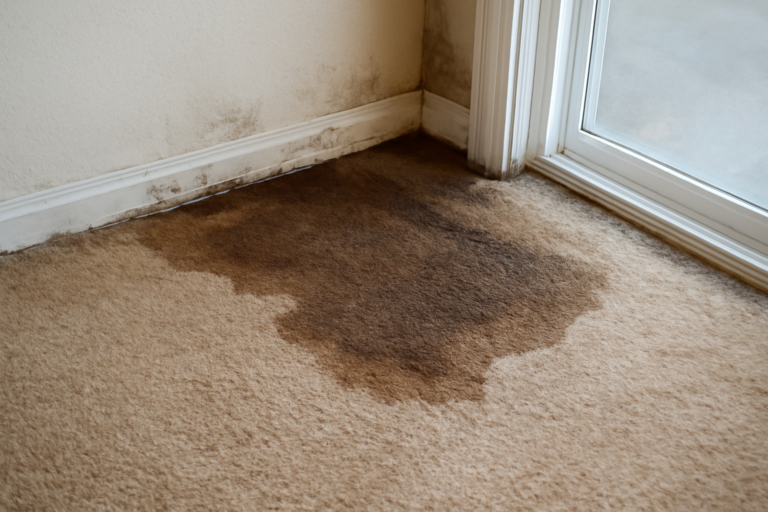
Septic Tank Backup Water Removal in Federal Way, WA
Trusted by 170+ Homeowners
Septic Tank Backup Water Removal in Federal Way, WA: The Hidden Cost of Delay
Did you know that septic tank backup water removal can lead to insurance claims that are up to 50% more likely to be denied? This is because insurance companies often view septic tank backups as preventable, which means you might not get the coverage you need. In Federal Way, WA, where septic systems are common, this can be a costly mistake. You’re not alone, but you need to act fast to avoid costly repairs and potential health risks. Our team has seen firsthand how quickly septic tank backups can spread, causing thousands of dollars in damage to your property.
With over 165 five-star reviews from satisfied customers in the area, you can trust our team to handle your septic tank backup water removal needs with care and expertise. We know the local codes and regulations, and we’ve worked with countless homeowners just like you to get their properties back to normal.
- We help you navigate the insurance claims process, ensuring you get the coverage you need to cover repairs and replacements.
- We use specialized equipment to remove contaminated water and debris, preventing further damage to your property.
- We take the time to document the extent of the damage, providing a clear record of what needs to be repaired or replaced.
How Septic Tank Backup Water Removal Works
When your septic tank backup water removal needs arise, our team springs into action. We’ll start by assessing the situation, identifying the source of the backup and the extent of the damage. From there, we’ll develop a customized plan to remove the contaminated water and debris, using specialized equipment and techniques to prevent further damage to your property. Our goal is to get your property back to normal as quickly and safely as possible.
Step 1: Assessment and Planning
Our team arrives on-site to assess the situation, taking note of the extent of the damage and identifying the source of the backup. We’ll develop a customized plan to remove the contaminated water and debris, using specialized equipment and techniques to prevent further damage to your property.
Step 2: Containment and Protection
We’ll set up containment systems to prevent further damage to your property and protect your belongings. This includes tarps, barriers, and other equipment to keep the contaminated water and debris contained.
Step 3: Water Removal and Debris Extraction
Using specialized equipment, we’ll remove the contaminated water and debris, taking care to prevent further damage to your property. This includes powerful pumps, wet vacuums, and other equipment designed to handle the unique challenges of septic tank backup water removal.
Step 4: Drying and Disinfection
Once the contaminated water and debris have been removed, we’ll focus on drying and disinfecting the affected areas. This includes using specialized equipment to remove moisture and prevent further damage, as well as disinfecting surfaces to prevent the growth of bacteria and other microorganisms.
Step 5: Restoration and Repair
Finally, we’ll focus on restoring your property to its original condition. This includes repairing or replacing damaged materials, such as flooring, walls, and ceilings, as well as restoring any affected systems, such as plumbing and HVAC.
Don’t wait until it’s too late to act. Contact our team today to schedule your septic tank backup water removal service and get your property back to normal.

Warning Signs You Need Septic Tank Backup Water Removal
Catching the warning signs of a septic tank backup early can save you thousands of dollars in repairs and prevent potential health risks. Here are some common warning signs to look out for:
Musty Odors That Won’t Go Away
Strong, persistent odors around your septic system can show a backup or overflow. Don’t ignore these smells, they can be a sign of a bigger problem.
Slow Drains and Clogged Pipes
If your drains are slow or clogged, it could be a sign that your septic system is backing up. Don’t wait until it’s too late to act.
Water Damage and Leaks
Visible water damage or leaks around your septic system can show a backup or overflow. Act fast to prevent further damage.
Unexplained Pests and Rodents
Unexplained pests and rodents in your home can be a sign of a septic tank backup. Don’t wait until it’s too late to act.
Unusual Growths or Stains
Unusual growths or stains on your walls, floors, or ceilings can show a septic tank backup. Don’t ignore these signs, they can be a sign of a bigger problem.
Unpleasant Odors in Your Home
Unpleasant odors in your home can be a sign of a septic tank backup. Don’t wait until it’s too late to act.
Septic Tank Backup Water Removal vs. DIY: When To Call a Professional
| Situation | DIY? | Call a Pro? | Why |
|---|---|---|---|
| Small septic tank backup with minimal damage | Yes | No | You can handle a small backup on your own, but be sure to follow safety precautions and take the time to clean and disinfect the affected area. |
| Large septic tank backup with significant damage | No | Yes | A large backup needs specialized equipment and expertise to safely and effectively remove contaminated water and debris. |
| Septic tank backup with health risks | No | Yes | If you suspect a septic tank backup poses health risks, such as the presence of Category 3 water, it’s essential to call a professional to ensure safe and effective cleanup. |
| Septic tank backup with insurance claims | No | Yes | Handling insurance claims for a septic tank backup needs expertise and knowledge of local codes and regulations. Let a professional handle it for you. |
| Septic tank backup with complex repairs | No | Yes | Complex repairs, such as replacing the septic tank or repairing damaged pipes, need specialized expertise and equipment. Don’t try to tackle these repairs on your own. |
Don’t risk your health and property by trying to handle a septic tank backup on your own. Contact our team today to schedule your professional septic tank backup water removal service.
Septic Tank Backup Water Removal Cost In Federal Way, WA
The cost of septic tank backup water removal in Federal Way, WA can vary depending on the severity of the damage, the size of the affected area, and local conditions. Here are some estimated price ranges for common services:
| Service | Typical Price Range | What Affects Cost |
|---|---|---|
| Small septic tank backup removal | $500 – $2,500 | Size of affected area, severity of damage |
| Large septic tank backup removal | $2,500 – $10,000 | Size of affected area, severity of damage, complexity of repairs |
| Septic tank replacement | $5,000 – $20,000 | Size of septic tank, materials used, complexity of installation |
| Drain and pipe repair | $1,000 – $5,000 | Location and complexity of repairs, materials used |
| Disinfection and cleaning | $500 – $2,000 | Size of affected area, severity of contamination |
Exact pricing will depend on an on-site assessment, and we offer free estimates to ensure you know what to expect. Contact our team today to schedule your septic tank backup water removal service.
Service Areas Near Federal Way, WA
We serve the following nearby communities: Auburn, Bellevue, Burien, Des Moines, Federal Way, Kent, Kirkland, Mercer Island, Normandy Park, Renton, SeaTac, Seattle, Tukwila, and White Center.
Common Questions About Septic Tank Backup Water Removal
Q: How long does septic tank backup water removal take?
A: The time it takes to complete septic tank backup water removal depends on the severity of the damage and the size of the affected area. On average, it can take anywhere from 3-5 days to complete the process. But, in some cases, it may take longer.
Q: Is septic tank backup water removal covered by insurance?
A: Yes, septic tank backup water removal is often covered by insurance. But, the specifics of your policy will depend on your provider and the circumstances of the damage. We can help you navigate the insurance claims process and ensure you get the coverage you need.
Q: Can I handle septic tank backup water removal myself?
A: No, it’s not recommended to handle septic tank backup water removal yourself. This type of cleanup needs specialized equipment and expertise to ensure safe and effective removal of contaminated water and debris. Our team is trained and equipped to handle this type of job.
Q: What are the health risks associated with septic tank backup water removal?
A: Septic tank backup water removal can pose health risks if not handled properly. Category 3 water, which is contaminated with bacteria, viruses, and other microorganisms, can cause serious illness or even death. Our team takes the necessary precautions to ensure safe and effective cleanup.
Q: How do I prevent septic tank backups in the future?
A: Regular maintenance is key to preventing septic tank backups. This includes pumping the septic tank every 3-5 years, inspecting the system for signs of damage or wear, and addressing any issues quickly. We can help you develop a maintenance plan to keep your septic system running smoothly.
Check Our Other Relevant Services
- Hydrostatic Pressure Water Removal in Federal Way, WA
- Black Water Extraction (Category 3) in Federal Way, WA
Serving Federal Way, WA And Nearby Areas