
Trusted by 170+ Homeowners
How Do They Clean Up A Commercial Building?
- Over 170 5-Star Reviews
- Free Estimates and Quotes
- 100% Satisfaction Guaranteed
- Child, Family & Pet Safe Steps
- 24-Hour Emergency Service
- Fully Licensed & Insured

Commercial buildings are cleaned after damage using a systematic restoration process. This involves specialized equipment and trained professionals to address issues like water, fire, or mold damage.
The cleanup of a commercial building focuses on safety, efficiency, and restoring functionality quickly. It requires a structured approach to handle various types of damage effectively.
TL;DR:
- Commercial building cleanup starts with damage assessment and safety.
- Water damage involves extraction, drying, and dehumidification.
- Fire damage requires soot removal, deodorization, and structural cleaning.
- Mold remediation follows strict containment and removal protocols.
- Professionals use specialized equipment and techniques for thorough cleaning.
How do they clean up a commercial building?
Cleaning up a commercial building after damage is a complex job. It’s not like your typical house cleaning. Think of it more like a highly organized, scientific operation. The main goal is to make the building safe and usable again as fast as possible. This means tackling the root cause of the damage and then meticulously cleaning and restoring everything affected.
Initial Assessment and Safety First
The very first step is a thorough assessment of the damage. Professionals need to understand the extent and type of damage. Is it water, fire, mold, or something else? This assessment dictates the entire cleanup strategy. Safety is always the top priority. This includes identifying hazards like electrical issues, structural instability, or airborne contaminants.
Water Damage Restoration Steps
Water damage is common in commercial spaces. It can come from floods, leaks, or burst pipes. The cleanup process usually involves several key stages.
Water Extraction
The first action is to remove as much standing water as possible. Powerful extraction equipment is used for this. This prevents further damage to building materials and contents.
Drying and Dehumidification
Once the bulk of the water is gone, the drying process begins. Industrial-grade dehumidifiers and air movers are deployed. These machines work to remove hidden moisture from the air and materials. This is critical to prevent mold growth. We found that incomplete drying can lead to long-term problems.
Sanitization and Odor Control
After drying, the area needs to be sanitized. This kills bacteria and other pathogens left behind by the water. Odor control is also vital. Specialized treatments are used to eliminate musty or smoky smells.
Fire and Smoke Damage Cleanup
Fire and smoke damage is particularly tricky. Smoke can penetrate every nook and cranny. The cleanup requires specialized techniques.
Soot and Smoke Residue Removal
Cleaning soot requires specific methods. Different types of soot (wet vs. dry) need different approaches. Professionals use specialized cleaning agents and tools. They have advanced techniques for they smoke residue cleanup.
Deodorization
Smoke odors can be persistent. They cling to carpets, walls, and even HVAC systems. Ozone treatments or thermal fogging are often used. These methods neutralize odor molecules. Many experts say this is key to making the space habitable again.
Structural Cleaning
Beyond visible soot, structural components need cleaning. This includes walls, ceilings, and floors. Sometimes, fire damage signs near they can be subtle, requiring expert detection.
Mold Remediation Process
Mold can appear after water damage or high humidity. It poses serious health risks. Professional mold remediation is essential. We found that dealing with mold requires a careful, contained approach.
Containment
The first step is to contain the moldy area. This prevents spores from spreading. Containment usually involves plastic sheeting and negative air pressure. This is a vital step in they mold growth warnings.
Removal
Mold-damaged materials are carefully removed. This can include drywall, insulation, or carpets. The materials are bagged and disposed of safely. Proper removal is key to preventing recurring mold near they.
Cleaning and Disinfection
After removal, the affected surfaces are cleaned and disinfected. This kills any remaining mold spores. Antimicrobial treatments are often applied to prevent regrowth.
Preventing Future Mold
Addressing the moisture source is critical. This might involve fixing leaks or improving ventilation. Experts focus on preventing recurring mold near attic spaces as well.
Specialized Equipment and Techniques
Commercial building cleanup relies on advanced technology. This ensures a thorough and efficient job.
Air Scrubbers
These machines filter the air, removing dust, mold spores, and other contaminants. They are crucial for improving air quality during and after cleanup.
Thermal Imaging Cameras
These cameras detect moisture hidden behind walls or under floors. They are especially useful in water and fire damage assessments. Experts use them to find all affected areas, even those not immediately visible. They use thermal imaging for fire damage to locate hidden embers and moisture pockets.
Industrial Dehumidifiers
Unlike household units, these are powerful machines. They can rapidly lower humidity levels in large spaces. This accelerates the drying process significantly.
Antimicrobial Treatments
These treatments are used to kill mold, bacteria, and viruses. They are applied to surfaces after cleaning to prevent microbial growth. It’s important to understand why do they use antimicrobial sprays; they are a key part of preventing secondary contamination.
Dealing with Contents and Belongings
Restoring a commercial building also involves its contents. This includes furniture, equipment, and inventory.
Inventory and Sorting
Professionals carefully inventory all damaged items. They sort items into categories: salvageable, restorable, and discard. This helps manage the restoration process and insurance claims.
Cleaning and Restoration
Salvageable items are cleaned using specialized methods. This might involve ultrasonic cleaning for electronics or ozone treatments for odors. Restorable items are carefully repaired and refurbished.
Storage and Documentation
Items that are being restored are often stored in secure, climate-controlled facilities. Detailed documentation is kept for insurance purposes. This is where understanding how do I manage a commercial insurance claim becomes very important.
Working with Professionals
When disaster strikes, it’s crucial to call for help. Restoration companies have the expertise and equipment. They can handle the complexities of commercial building cleanup. Choosing the right team means faster recovery. It ensures the job is done right the first time. This is why when restoration experts are needed, they are the best choice.
It’s easy to feel overwhelmed by commercial property damage. But remember, there are clear steps and professionals ready to help. They work to minimize disruption and restore your business operations efficiently. Don’t hesitate to seek professional help for they and your property.
Conclusion
Cleaning up a commercial building after damage is a multifaceted process. It requires rapid assessment, specialized techniques, and dedicated professionals. From water extraction and drying to smoke removal and mold remediation, each step is critical for restoring safety and functionality. By understanding the general approach, business owners can better prepare for and navigate these challenging situations. For reliable and expert assistance in Redmond, Redmond Water Damage Services is a trusted resource dedicated to helping businesses recover quickly and effectively.
What is the first step in commercial building cleanup?
The very first step is a thorough assessment of the damage. This helps identify the type and extent of the problem, ensuring safety protocols are established and the correct restoration plan is put into action.
How is water damage handled in a commercial building?
Water damage is handled by first extracting standing water, then thoroughly drying the structure with industrial equipment, and finally sanitizing the affected areas to prevent mold and bacteria growth.
Why is containment important in mold cleanup?
Containment is vital to prevent mold spores from spreading to other parts of the building. This protects occupants from potential health risks and stops the mold from colonizing new areas.
Can fire damage be completely cleaned from a commercial building?
Yes, fire damage can often be completely cleaned and restored. It requires specialized soot removal, deodorization, and structural cleaning techniques to eliminate all traces of smoke and fire damage.
What happens to damaged contents in a commercial building?
Damaged contents are inventoried and assessed for salvageability. Items that can be restored are carefully cleaned, repaired, and often stored securely until the building is ready for their return.
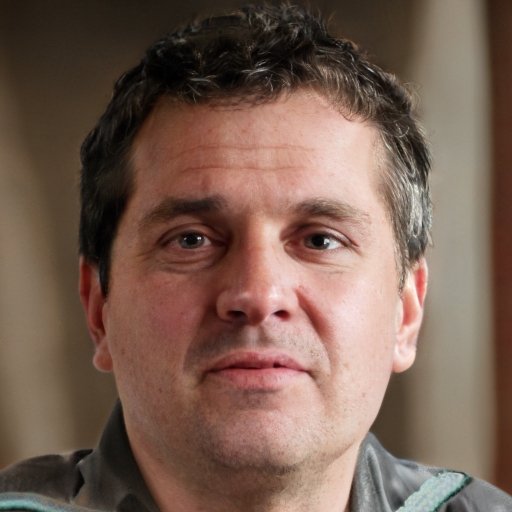
Ivan Brown is a licensed Damage Restoration Expert with over 20 years of hands-on experience in disaster recovery and structural mitigation. As a seasoned industry authority, Ivan has spent two decades mastering the technical complexities of environmental safety, providing property owners with the reliable expertise and steady leadership required to navigate high-stress property losses with absolute confidence.
𝗖𝗲𝗿𝘁𝗶𝗳𝗶𝗰𝗮𝘁𝗶𝗼𝗻𝘀: Ivan holds elite IICRC credentials, including Water Damage Restoration (WRT), Applied Structural Drying (ASD), Mold Remediation (AMRT), Fire and Smoke Restoration (FSRT), and Odor Control (OCT).
𝗙𝗮𝘃𝗼𝗿𝗶𝘁𝗲 𝗣𝗮𝘀𝘁𝗶𝗺𝗲: An avid outdoorsman, Ivan enjoys fly fishing and woodworking, hobbies that reflect the patience, precision, and dedication to craftsmanship he brings to every restoration project.
𝗕𝗲𝘀𝘁 𝗣𝗮𝗿𝘁 𝗼𝗳 𝘁𝗵𝗲 𝗷𝗼𝗯: He finds the most fulfillment in being the “calm after the storm,” helping families transition from the shock of damage to the relief of a fully restored, healthy home.