Redmond, WA · King County
Basement Water Damage Restoration in Redmond, WABasement Sewer Backup Cleanup & Basement Floor Water Removal
Get basement water damage restoration in Redmond for basement floor water removal, basement mold prevention and basement drying services.
Answered 24/7
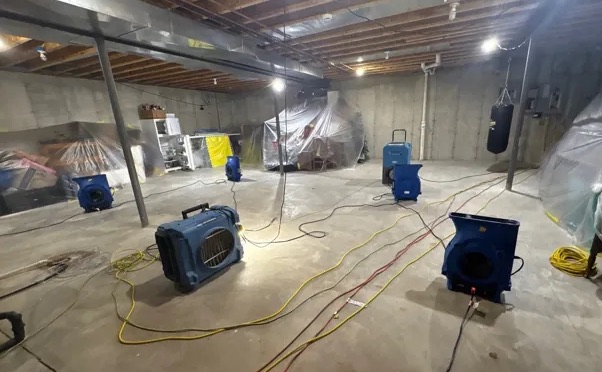
Professional Basement Water Damage Restoration in Redmond, WA
Water in a basement does not stay on the floor. It wicks up drywall, soaks insulation and seeps into wood framing. In Redmond, a few inches of water can damage walls up to two feet high.
Homes in Redmond and nearby Kirkland, Union Hill-Novelty Hill and Yarrow Point with basements deal with seepage, plumbing leaks and sewer backups. Help with basement water damage restoration covers pumping, removal of wet materials and drying of walls and concrete.
Basement Water Damage Restoration Solutions Available in Redmond
Basement Sewer Backup Cleanup
After a sewer backup, cleanup and disinfection come before drying, so contaminated surfaces are not left in place.
Basement Floor Water Removal
Wet carpet pad is removed from basement floors, since it holds water against the concrete and dries poorly.
Basement Dehumidification
A basement with no moisture problem before the flood may still need a dehumidifier afterward while the concrete dries.
Basement Drying Services
Equipment is adjusted each day based on moisture readings until every material reaches its normal level.
Basement Water Extraction
Submersible pumps remove deep standing water, then portable extractors pull water from carpet, pad and the concrete floor.
When to Consider Basement Water Damage Restoration for Your Redmond Home
High Humidity Levels Below-Grade
A basement that stays damp and clammy even on dry days has a moisture source that needs attention.
Mold on Surfaces
Dark spots on drywall, framing or stored boxes mean the area has stayed wet for days.
Efflorescence on Concrete Walls
White, chalky deposits on concrete walls mean water is moving through the concrete and leaving minerals behind.
Wet or Stained Basement Walls
Dark, wet patches or tide lines on basement walls show where water seeped in or wicked up.
How Basement Water Damage Restoration Works in Redmond
Step 1: Initial Assessment and Water Removal
The source and type of water are identified, and standing water is removed right away.
Step 2: Focused Drying of Materials
Walls, framing and the slab are dried with directed airflow, with wet insulation removed.
Step 3: Air Quality Management
Air scrubbers filter dust and odors from removal work while drying continues.
Step 4: Documentation for Restoration
Photos, readings and a list of removed materials are prepared for insurance and rebuilding.
Frequent Sources of Water Damage in Redmond
High Water Table and Hydrostatic Pressure
A high water table pushes groundwater up through the slab and into the joints between wall and floor.
Water Heater or Appliance Leaks
Water heaters, washers and utility sinks in the basement can leak or fail without warning.
Sewer Line Backups
A blocked or overloaded sewer line pushes wastewater up through basement drains and toilets.
Clogged Floor Drains
A floor drain blocked by debris cannot carry off water from a leak or overflow, so it spreads across the basement floor.
Residential and Commercial Basement Water Damage Restoration in Redmond
Residential Basement Water Damage Restoration
In homes, a flooded basement often means damaged carpet, drywall, a furnace or water heater and stored belongings. Water is pumped out, contents are moved and the space is dried.
Commercial Basement Water Damage Restoration
In commercial buildings, basements hold mechanical rooms, storage and sometimes offices. Water is removed and equipment areas are dried so systems can be checked and restarted.
Basement Water Damage Restoration: Professional Help vs. Doing It Yourself in Redmond
Sewage in a basement should not be cleaned up without gloves, boots and eye protection. For any backup through a floor drain or toilet, call local water removal pros.
Factors Affecting Basement Water Damage Restoration Cost in Redmond
Sewage cleanup, finished walls, storm-night calls and damaged appliances all add to the total for basement water damage restoration in Redmond.
Secondary Damage
Damage to furnaces, water heaters and belongings adds repair and replacement costs.
Water Category
Clean water costs less to handle than sewage, which needs protective gear, removal and disinfection.
Material Saturation
Finished basements with carpet, drywall and insulation take more removal work than bare concrete.
Does Insurance Cover Basement Water Damage Restoration?
Coverage for groundwater seepage and backups varies widely between policies. Ask your adjuster whether your policy includes it before work begins.
The Value of Local Pros for Basement Water Damage Restoration in Redmond
Structural Integrity Assessment
Walls, stairs and framing are checked for damage before work begins in the basement.
Industry Drying Standards
Drying follows industry water damage standards, with readings taken at every visit.
Detailed Documentation
Photos, readings and drying logs are kept to support your insurance claim.
Redmond Emergency Basement Water Damage Restoration Response
Water rising in your basement in Redmond? Shut off power to the basement if it is safe, move what you can and call (425) 407-5186. Help is available 24/7.
Call Now (425) 407-5186Basement Water Damage Restoration Near Redmond: Areas Served
Besides Redmond, local water removal pros handle basement pumping, drying and dehumidification in nearby Kirkland, Union Hill-Novelty Hill and Yarrow Point.
- Basement Water Damage Restoration in Kirkland
- Basement Water Damage Restoration in Union Hill-Novelty Hill
- Basement Water Damage Restoration in Yarrow Point
- Basement Water Damage Restoration in Bellevue
- Basement Water Damage Restoration in Clyde Hill
- Basement Water Damage Restoration in Sammamish
- Basement Water Damage Restoration in Cottage Lake
- Basement Water Damage Restoration in Woodinville
- Emergency Damage Restoration in 98052
- Storm Damage Restoration in 98052
- Water Damage Restoration in 98052
- Water Extraction Service in 98052
- Water Leak Detection in 98052
- Water Removal Service in 98052
- Emergency Damage Restoration in 98053
- Storm Damage Restoration in 98053
Basement Water Damage Restoration Common Questions Answered
How long does below-grade drying take after a flood?
Often several days or longer, since concrete and cool basement air dry slowly. Daily readings show progress.
What is the priority during emergency basement flood cleanup?
Safety first, especially electrical hazards, then stopping the source and pumping out the water as quickly as possible.
Is basement floor water removal different from carpet extraction?
Yes. Bare concrete is squeegeed and dried, while carpet and pad need extraction, and the pad is usually replaced.
What are signs of hidden moisture after below-grade water extraction?
Musty smells, tide lines on walls, damp carpet edges and moisture readings that stay high in walls or the slab.
What causes the most common below-grade leaks in homes?
Sump pump failures, foundation cracks, clogged drain tile, sewer backups and burst pipes in the basement ceiling.