Picnic Point, WA · Snohomish County
Basement Water Damage Restoration in Picnic Point, WABasement Wall Drying & Basement Mold Prevention
Get basement water damage restoration in Picnic Point for basement floor water removal, basement mold prevention and basement drying services.
Answered 24/7
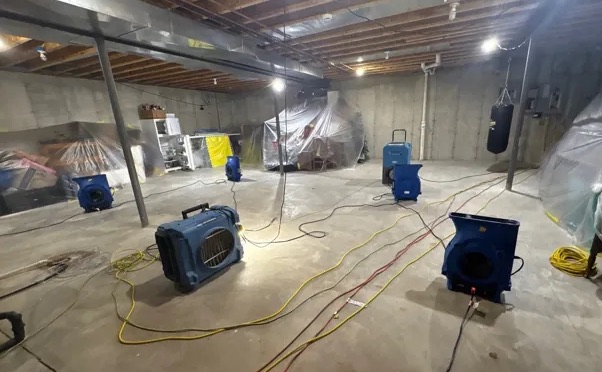
Basement Water Damage Restoration for Picnic Point Homes
Basement Water Damage Restoration in Picnic Point covers finished and unfinished basements. A bare concrete basement can often be pumped and dried. A finished one usually needs carpet, pad and lower drywall removed so the walls and slab can dry.
Homes in Picnic Point and nearby Lynnwood, Martha Lake and Mill Creek with basements deal with seepage, plumbing leaks and sewer backups. Help with basement water damage restoration covers pumping, removal of wet materials and drying of walls and concrete.
Basement Water Damage Restoration Services in Picnic Point
Basement Wall Drying
Concrete and block walls are dried with directed airflow and dehumidifiers, and checked with meters until readings drop.
Basement Mold Prevention
Keeping basement humidity low after drying helps prevent mold from returning, especially in finished spaces.
Basement Drying Services
Air movers and dehumidifiers are placed to dry walls, framing and the slab. Below-grade rooms dry slowly, so readings are taken daily.
Basement Dehumidification
Large dehumidifiers pull moisture from the basement air so walls, framing and the slab can release their water.
Basement Floor Water Removal
Water on a concrete floor is squeegeed and extracted, and floor coverings such as carpet, vinyl or laminate are lifted to dry the slab.
How to Know You Need Basement Water Damage Restoration in Picnic Point
Wet or Stained Basement Walls
Dark, wet patches or tide lines on basement walls show where water seeped in or wicked up.
Mold on Surfaces
Dark spots on drywall, framing or stored boxes mean the area has stayed wet for days.
Rusted Appliances or Pipes
Rust on the water heater, furnace base or pipes points to repeated moisture or past flooding.
Warped or Buckling Basement Floors
Laminate, wood or vinyl flooring that buckles or lifts in the basement has water underneath.
How Basement Water Damage Restoration Works in Picnic Point
Step 1: Water Removal
Pumps and extractors remove standing water from the basement floor, starting at the lowest point.
Step 2: Targeted Moisture Evaporation
Air movers are aimed at wet walls, framing and the slab to speed evaporation.
Step 3: Humidity Control
Large dehumidifiers pull moisture from the basement air, with readings checked every day.
Step 4: Final Verification and Restoration
Final readings confirm the basement is dry, and the space is ready for drywall and flooring repairs.
Common Causes of Water Damage in Picnic Point
Water Heater or Appliance Leaks
Water heaters, washers and utility sinks in the basement can leak or fail without warning.
Faulty Basement Waterproofing
Old or failed waterproofing on foundation walls lets water through during wet weather.
HVAC Condensate Line Overflow
A clogged furnace or air conditioner condensate line can overflow onto the floor of a basement or lower-level utility room.
Plumbing Pipe Bursts or Leaks
Supply lines and drain pipes in basement ceilings can crack or burst onto the floor below.
Both Residential & Commercial Basement Water Damage Restoration in Picnic Point
Residential Basement Water Damage Restoration
In homes, a flooded basement often means damaged carpet, drywall, a furnace or water heater and stored belongings. Water is pumped out, contents are moved and the space is dried.
Commercial Basement Water Damage Restoration
In commercial buildings, basements hold mechanical rooms, storage and sometimes offices. Water is removed and equipment areas are dried so systems can be checked and restarted.
Basement Water Damage Restoration vs. DIY: When to Call the Pros
If a small leak left a puddle on bare concrete, a wet vac and a dehumidifier may be enough. Call local restoration pros if water reached drywall, carpet or framing, or if it came from a sewer drain.
What Influences Basement Water Damage Restoration Cost in Picnic Point
Before pricing basement water damage restoration in Picnic Point, the pros check the water depth, the type of water and what the basement is finished with.
Drying Time Required
Basements dry slowly, and longer drying means more equipment days and monitoring visits.
Water Category
Clean water costs less to handle than sewage, which needs protective gear, removal and disinfection.
Emergency Service
Night, weekend and storm calls can cost more than a scheduled visit.
Does Insurance Cover Basement Water Damage Restoration?
Flood damage from rising outside water usually needs flood insurance. Water from inside the home, like a broken pipe, is more often covered.
Reasons to Hire Local Pros for Basement Water Damage Restoration in Picnic Point
Detailed Documentation
Photos, readings and drying logs are kept to support your insurance claim.
Containment Strategies
Plastic sheeting keeps contaminated areas separate from clean parts of the house.
Structural Integrity Assessment
Walls, stairs and framing are checked for damage before work begins in the basement.
Round-the-Clock Emergency Basement Water Damage Restoration in Picnic Point
Every hour of standing water in a basement means more drywall and flooring to replace. Call (425) 407-5186 for basement water damage restoration in Picnic Point.
Call Now (425) 407-5186Regions Served for Basement Water Damage Restoration Near Picnic Point
Need basement water damage restoration outside Picnic Point? Service also covers Lynnwood, Martha Lake and Mill Creek, including emergency help during storms.
- Basement Water Damage Restoration in Lynnwood
- Basement Water Damage Restoration in Martha Lake
- Basement Water Damage Restoration in Mill Creek
- Basement Water Damage Restoration in Mukilteo
- Basement Water Damage Restoration in Alderwood Manor
- Basement Water Damage Restoration in Eastmont
- Basement Water Damage Restoration in Silver Firs
- Basement Water Damage Restoration in Brier
Your Basement Water Damage Restoration Questions Addressed
How long does below-grade drying take after a flood?
Often several days or longer, since concrete and cool basement air dry slowly. Daily readings show progress.
How is basement restoration documented for insurance?
With photos of the water level and damage, moisture readings, a list of removed materials and daily drying logs.
What is the purpose of basement wall drying?
To remove water from drywall, insulation, framing and concrete so the walls can be repaired without trapping moisture.
What equipment is used for below-grade water damage repair?
Submersible pumps, extractors, air movers, large dehumidifiers, moisture meters and air scrubbers for dust and odor.
What health risks come with delayed basement flood cleanup?
Standing water and wet materials can support bacteria and microbial growth, and sewage carries contaminants that need disinfection.