
Trusted by 170+ Homeowners
Can I Get Sick From Cleaning A Dirty Attic?
- Over 170 5-Star Reviews
- Free Estimates and Quotes
- 100% Satisfaction Guaranteed
- Child, Family & Pet Safe Steps
- 24-Hour Emergency Service
- Fully Licensed & Insured

Yes, you can get sick from cleaning a dirty attic. Attics often harbor mold, bacteria, dust mites, and even animal droppings, all of which can cause respiratory issues and other health problems.
Exposure to contaminants in a dirty attic poses serious health risks. It’s vital to understand these dangers before attempting cleanup yourself.
TL;DR:
- Dirty attics can contain mold, bacteria, and animal waste, leading to respiratory problems and infections.
- Wearing proper personal protective equipment (PPE) like masks, gloves, and eye protection is essential.
- Ventilation is key; open windows and use fans to circulate air during cleaning.
- Be aware of potential structural damage and electrical hazards.
- For severe contamination or if you have health concerns, hiring professionals is the safest option.
Can I get sick from cleaning a dirty attic?
The short answer is a resounding yes. Attics are often neglected spaces where dust, debris, and potential hazards can accumulate over time. When you decide to tackle a dirty attic, you’re potentially exposing yourself to a cocktail of harmful substances. These can include mold spores, bacteria from pest droppings, insulation fibers, and other airborne irritants. Breathing these in without protection can lead to a range of illnesses, from mild allergies to more severe respiratory infections.
Common Attic Contaminants and Health Risks
Think of your attic as a hidden ecosystem. This ecosystem can include mold, which thrives in damp, dark environments. Mold spores can cause allergic reactions, asthma attacks, and other respiratory issues. Then there are the unwelcome guests: rodents, birds, or insects. Their droppings can carry diseases. For instance, bird droppings can transmit histoplasmosis, a serious lung infection. Rodent droppings might spread hantavirus. Even old insulation can release fine particles that irritate your lungs.
Mold and Respiratory Issues
Mold is perhaps the most common concern in attics. Moisture from leaks or poor ventilation creates the perfect breeding ground. When you disturb moldy areas, you release millions of spores into the air. Inhaling these spores can trigger immediate allergic reactions, like sneezing, itchy eyes, and a runny nose. For individuals with asthma, mold exposure can be particularly dangerous, leading to wheezing and difficulty breathing. Long-term exposure can contribute to chronic respiratory problems.
Pest Droppings and Zoonotic Diseases
Attics are attractive nesting spots for various pests. Mice, rats, squirrels, and birds often find their way in. Their waste products are not just unsightly; they are a biological hazard. These droppings can contain bacteria and viruses that cause diseases transmissible to humans. This is why understanding attic sewage backup risks, while seemingly different, shares the common thread of dealing with biohazards. Improper handling of any waste can lead to infection.
Why Proper Protection is Non-Negotiable
Given these risks, approaching attic cleaning without the right gear is like walking into a battlefield unarmed. Your health is on the line. This is where proper personal protective equipment (PPE) becomes your best defense. It’s not just about comfort; it’s about preventing serious illness. Imagine trying to clean up after a sewage backup without protection; the attic is similar in its potential for contamination.
Essential PPE for Attic Cleaning
You’ll need a high-quality respirator mask, not just a dust mask. Look for one rated for mold and fine particles. Safety goggles are a must to protect your eyes from dust and debris. Long sleeves, long pants, and gloves will prevent skin contact with contaminants. Sturdy, closed-toe shoes are also important for navigating the attic floor safely. Think of this as your personal safety shield against invisible threats.
Ventilation: Your Attic’s Best Friend
A stuffy, enclosed attic is a recipe for disaster when cleaning. Good ventilation is key to dispersing airborne contaminants and reducing your exposure. Before you even start disturbing dust, open up any vents or windows. If possible, set up fans to create cross-breezes. This helps move the contaminated air away from you and out of the space. It’s a simple step that makes a huge difference in air quality.
Creating Airflow During Cleanup
Positioning fans strategically can significantly improve the situation. You want to create a pathway for fresh air to enter and dirty air to exit. This isn’t just about making the job more pleasant; it’s about minimizing the concentration of harmful particles you breathe. Poor ventilation can turn a simple cleaning task into a serious health risk, much like dealing with sanitizing contaminated water near attic spaces after a flood.
Potential Structural and Electrical Hazards
Beyond biological contaminants, attics can hide physical dangers. Old wiring might be frayed, posing an electrical shock risk. Floorboards could be rotten or unstable, leading to falls. You might also encounter sharp objects or debris that can cause cuts. Always tread carefully and be aware of your surroundings. It’s wise to have someone present when you’re working in an attic, especially if it’s your first time.
Navigating the Attic Safely
Before you start moving things, take a moment to survey the area. Look for any obvious signs of damage. Are there any exposed wires? Do the floor joists look sound? If you have any doubts about the structural integrity or electrical systems, it’s best to stop and consult an expert. Safety should always be your top priority in any cleanup.
When to Call the Professionals
Sometimes, the job is simply too big or too dangerous to handle on your own. If your attic has signs of extensive mold growth, significant pest infestation, or water damage, it’s time to call in the experts. Professionals have the specialized equipment, training, and protective gear to handle these situations safely and effectively. They can assess the full extent of the problem and ensure proper remediation. This is especially true if you have pre-existing respiratory conditions or a compromised immune system.
Recognizing When Professional Help is Needed
Don’t underestimate the risks involved. If you’re unsure about how to proceed, or if the situation seems overwhelming, it’s always better to be safe than sorry. Professionals can provide peace of mind and ensure the job is done right. They are equipped to handle everything from mold remediation to dealing with the aftermath of rodent or bird infestations, similar to how they manage toilet sewage backup risks or other biohazard situations.
DIY Attic Cleaning Checklist
If you decide to tackle a minor attic cleanup yourself, follow this checklist to stay safe:
- Assess the Situation: Determine the extent of the dirt and potential hazards.
- Gather PPE: Ensure you have a respirator, goggles, gloves, and protective clothing.
- Ventilate the Area: Open windows and use fans to improve airflow.
- Protect Surfaces: Lay down tarps to catch debris.
- Clean Methodically: Work from the back of the attic towards the exit.
- Dispose Properly: Seal all waste in heavy-duty trash bags.
Remember, this checklist is for minor cleaning. For anything more serious, seek expert advice today.
Conclusion
Cleaning a dirty attic can indeed pose health risks due to mold, pest droppings, and other contaminants. By understanding these dangers and taking appropriate precautions, such as wearing proper PPE and ensuring good ventilation, you can mitigate some of the risks. However, for extensive contamination or if you have health concerns, calling professionals is the safest and most effective approach. At Redmond Water Damage Services, we understand the importance of a clean and safe home environment and can help address many types of property damage and contamination issues. If you suspect a serious hazard in your attic, or need assistance with water damage or other restoration needs, remember that acting before it gets worse is always the best strategy.
What are the signs of mold in an attic?
Common signs include a musty smell, visible dark or colored spots on surfaces, and peeling or bubbling paint. You might also notice dampness or condensation on rafters or insulation. If you see these signs, it’s important to investigate further and consider the potential health risks.
How can I safely remove rodent droppings from my attic?
First, ensure the area is well-ventilated and wear full PPE, including a respirator. Lightly mist the droppings with water to prevent dust from becoming airborne. Carefully scoop them into a sealed bag using a dustpan and brush. Avoid sweeping dry droppings. After removal, disinfect the area thoroughly. If the infestation is large, consider professional help for your safety and to address the yard sewage backup risks that might be related to pest entry points.
Is it safe to walk around in my attic?
It depends on the attic’s construction and condition. Many attics have limited flooring, often just joists or very narrow walkways. It’s crucial to know where you are stepping. Always wear sturdy shoes and be aware of potential weak spots or hidden hazards. If you are unsure about the structural integrity, avoid walking in the attic and instead seek expert guidance, much like you would when assessing sink sewage backup risks.
How often should I inspect my attic?
A general recommendation is to inspect your attic at least once a year. This allows you to catch potential problems like leaks, pest infestations, or mold growth early. A yearly inspection can help prevent minor issues from becoming major, costly repairs and health hazards. It’s a good practice for overall home maintenance.
Can dust from an attic make me sneeze?
Absolutely. Attic dust is often a mixture of insulation fibers, dust mites, pollen, and other particulate matter. Inhaling these can easily trigger sneezing fits and allergic reactions in many people. This is a clear indicator that you need to protect yourself with appropriate gear if you must enter the space, similar to the precautions needed when dealing with sanitizing contaminated water near sink if a backup occurs.
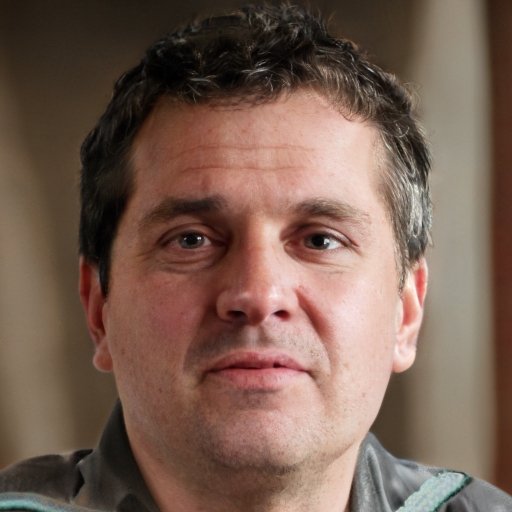
Ivan Brown is a licensed Damage Restoration Expert with over 20 years of hands-on experience in disaster recovery and structural mitigation. As a seasoned industry authority, Ivan has spent two decades mastering the technical complexities of environmental safety, providing property owners with the reliable expertise and steady leadership required to navigate high-stress property losses with absolute confidence.
𝗖𝗲𝗿𝘁𝗶𝗳𝗶𝗰𝗮𝘁𝗶𝗼𝗻𝘀: Ivan holds elite IICRC credentials, including Water Damage Restoration (WRT), Applied Structural Drying (ASD), Mold Remediation (AMRT), Fire and Smoke Restoration (FSRT), and Odor Control (OCT).
𝗙𝗮𝘃𝗼𝗿𝗶𝘁𝗲 𝗣𝗮𝘀𝘁𝗶𝗺𝗲: An avid outdoorsman, Ivan enjoys fly fishing and woodworking, hobbies that reflect the patience, precision, and dedication to craftsmanship he brings to every restoration project.
𝗕𝗲𝘀𝘁 𝗣𝗮𝗿𝘁 𝗼𝗳 𝘁𝗵𝗲 𝗷𝗼𝗯: He finds the most fulfillment in being the “calm after the storm,” helping families transition from the shock of damage to the relief of a fully restored, healthy home.