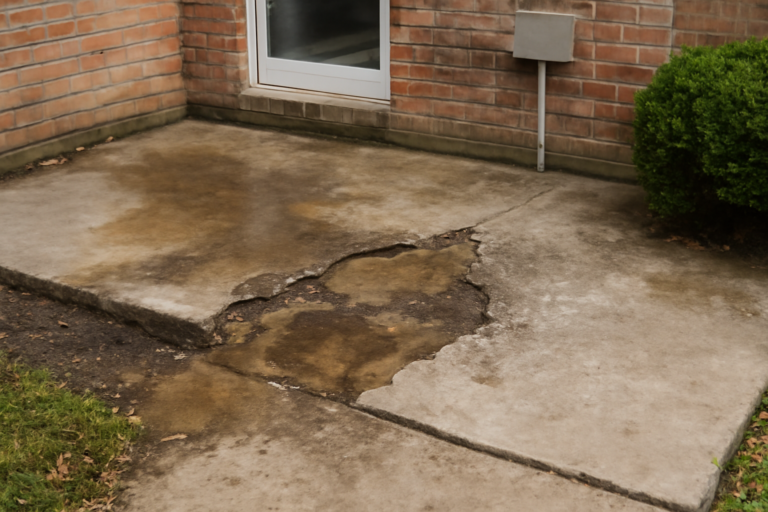
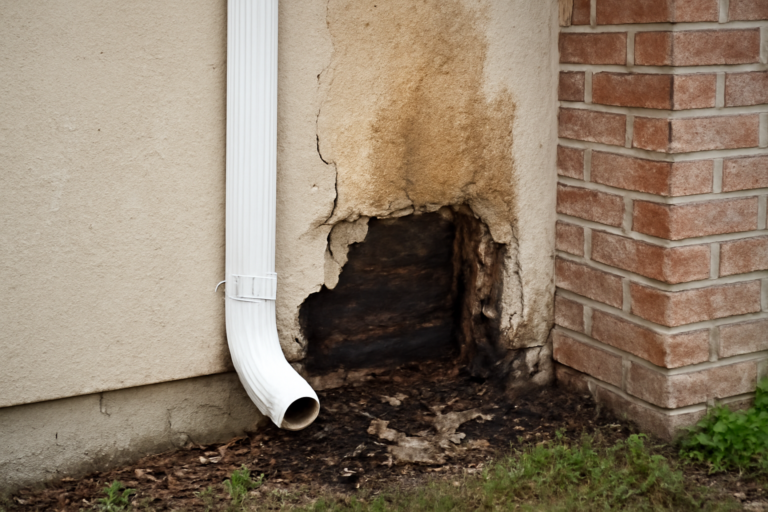
Floodwater Removal in Mill Creek, WA
Trusted by 170+ Homeowners
Floodwater Removal in Mill Creek, WA: Protect Your Home from Winter Storms
Floodwater can sneak up on you, especially during the rainy winter months in Mill Creek, WA. Heavy downpours can overwhelm local storm drains, causing water to back up into your home. This can lead to costly damage, health risks, and even safety hazards. You need a trusted team to help you navigate this disaster.
Our team has helped over 165+ homeowners in the area recover from floodwater damage. We understand the unique challenges of Mill Creek’s climate and terrain. Our technicians are IICRC-certified and committed to providing exceptional service. We’ll get your home back to normal quickly and efficiently.
- Fast response times to reduce damage and prevent further issues
- Expert equipment and techniques to safely remove standing water and dry out affected areas
- Comprehensive documentation and communication throughout the process
How Our Floodwater Removal Process Works
Floodwater removal is not just about extracting water from your home. It’s about restoring your property to a safe, healthy condition. Our team follows a strict process to ensure that every detail is addressed. We’ll get the job done right the first time.
Step 1: Assessment and Planning
We’ll send a trained technician to assess the damage and create a customized plan to restore your property. This includes identifying the source of the floodwater, evaluating the extent of the damage, and determining the best course of action to safely remove the water and dry out the affected areas. We’ll work with you to create a plan that meets your needs and budget.
Step 2: Water Removal and Extraction
Our technicians will use specialized equipment, such as submersible pumps and wet vacuums, to safely remove the standing water from your home. This is typically done within 60 minutes of arrival. We’ll work quickly to reduce further damage.
Step 3: Drying and Dehumidification
Next, we’ll use industrial-grade dehumidifiers and air movers to dry out the affected areas. This process can take 3-5 days, depending on the severity of the damage and the size of the affected area. We’ll keep you updated on our progress and make sure your home is safe and healthy.
Step 4: Cleaning and Disinfection
Once the area is dry, our technicians will thoroughly clean and disinfect the space to prevent mold and bacterial growth. This includes scrubbing and sanitizing surfaces, cleaning carpets and upholstery, and removing any damaged materials. We’ll leave your home clean and healthy.
Step 5: Final Inspection and Certification
Finally, we’ll conduct a thorough inspection to ensure that your home is safe and healthy. Our technician will provide a detailed report and certification that your property has been restored to a safe and healthy condition. We’ll give you peace of mind knowing your home is safe.
Don’t wait until the damage is too severe. Contact us today to schedule a free consultation and get your home back to normal quickly and efficiently. We’ll be there in no time to help you navigate this disaster.

Warning Signs You Need Floodwater Removal
Ignoring floodwater damage can lead to costly repairs, health risks, and even safety hazards. Here are some warning signs that you need floodwater removal services:
Musty Odors That Won’t Go Away
Strong, persistent odors in your home can show mold and bacterial growth. This is a sign that the floodwater has left behind a toxic environment that needs to be addressed. Don’t ignore these odors, they can be a sign of a bigger problem.
Water Stains on Your Ceiling
Water stains on your ceiling can show that water has seeped into your walls or roof. This can lead to costly repairs and even safety hazards. Don’t wait until it’s too late, address the issue now.
Warped or Buckled Flooring
Warped or buckled flooring can show that water has damaged the underlying structure of your home. This can lead to costly repairs and even safety hazards. Don’t ignore these signs, they can be a sign of a bigger problem.
Peeling Paint or Wallpaper
Peeling paint or wallpaper can show that water has damaged the surface of your walls. This can lead to costly repairs and even safety hazards. Don’t wait until it’s too late, address the issue now.
Mold or Mildew Growth
Mold or mildew growth can show that the floodwater has left behind a toxic environment that needs to be addressed. This can lead to health risks and even safety hazards. Don’t ignore these signs, they can be a sign of a bigger problem.
Floodwater Removal vs. DIY: When To Call a Professional
| Situation | DIY? | Call a Pro? | Why |
|---|---|---|---|
| Small water leak (less than 1 gallon per minute) | Yes | No | Easy to fix with a DIY kit and some basic tools. |
| Large water leak (over 1 gallon per minute) | No | Yes | Needs specialized equipment and expertise to prevent further damage. |
| Floodwater damage (over 1 square foot) | No | Yes | Needs specialized equipment and expertise to safely remove standing water and dry out affected areas. |
| Hidden water damage (e.g. Behind walls or under flooring) | No | Yes | Needs specialized equipment and expertise to detect and repair hidden damage. |
| Water damage with mold or mildew growth | No | Yes | Needs specialized equipment and expertise to safely remove mold and mildew and prevent further growth. |
| Water damage with structural damage (e.g. Warped or buckled flooring) | No | Yes | Needs specialized equipment and expertise to safely repair structural damage and prevent further hazards. |
Don’t try to tackle floodwater removal on your own. Our team has the expertise and equipment to safely and efficiently remove standing water and dry out affected areas. We’ll get the job done right the first time.
Floodwater Removal Cost In Mill Creek, WA
The cost of floodwater removal can vary depending on the severity of the damage, the size of the affected area, and local conditions in Mill Creek, WA. Here are some estimated price ranges for different aspects of floodwater removal:
| Service | Typical Price Range | What Affects Cost |
|---|---|---|
| Water removal and extraction | $500 – $2,500 | Size of affected area, severity of damage, and equipment required. |
| Drying and dehumidification | $1,000 – $5,000 | Size of affected area, severity of damage, and equipment required. |
| Cleaning and disinfection | $500 – $2,000 | Size of affected area, severity of damage, and equipment required. |
| Final inspection and certification | $200 – $1,000 | Size of affected area, severity of damage, and equipment required. |
| Hidden water damage detection and repair | $1,000 – $5,000 | Size of affected area, severity of damage, and equipment required. |
| Mold and mildew removal and prevention | $500 – $2,000 | Size of affected area, severity of damage, and equipment required. |
Exact pricing will depend on an on-site assessment. We offer free estimates and will work with you to create a customized plan that meets your needs and budget. We’ll get the job done right the first time.
Service Areas Near Mill Creek, WA
We serve the following nearby communities: Bellevue, Kirkland, Redmond, Woodinville, Sammamish, Issaquah, Snoqualmie, North Bend, Carnation, Duvall, Monroe, Snohomish, Mountlake Terrace, Edmonds, Lynnwood, Shoreline, Lake Forest Park, Kenmore, Bothell, Mill Creek, WA.
Common Questions About Floodwater Removal
Q: What is the typical response time for floodwater removal services?
A: Our team responds quickly to emergency situations, typically within 60 minutes of receiving your call. We’ll be there in no time to help you navigate this disaster.
Q: How long does the floodwater removal process take?
A: The length of time required for floodwater removal depends on the severity of the damage and the size of the affected area. Typically, the process takes 3-5 days, but this can vary. We’ll keep you updated on our progress and make sure your home is safe and healthy.
Q: Will my insurance cover the cost of floodwater removal?
A: We work with your insurance company to ensure that you receive the coverage you deserve. But, it’s essential to review your policy and understand what is covered. We’ll help you navigate the insurance process and get the compensation you need.
Q: How can I prevent floodwater damage in the future?
A: Regular maintenance, such as checking your gutters and downspouts, and installing a sump pump, can help prevent floodwater damage. We’ll provide you with practical tips and advice to keep your home safe and healthy.
Check Our Other Relevant Services
Serving Mill Creek, WA And Nearby Areas